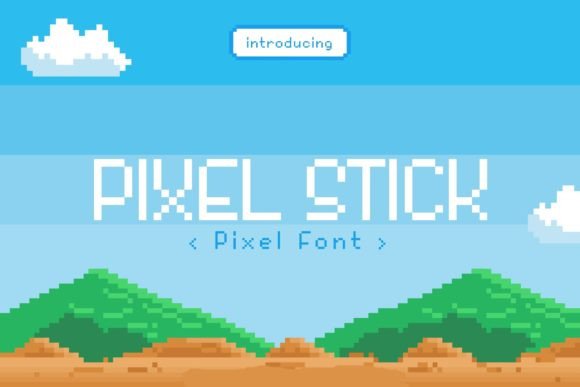
Pixel Stick Font for Retro Web Design
Pixel Stick is a display font that brings the nostalgic charm of retro gaming into modern web design. With its blocky, pixelated style, this font stands out as a creative choice for digital projects that aim to evoke a sense of nostalgia or playful energy. As a web designer, I’ve found that Pixel Stick works particularly well in situations where visual identity needs to feel both bold and familiar.
Visual Characteristics and Digital Appeal
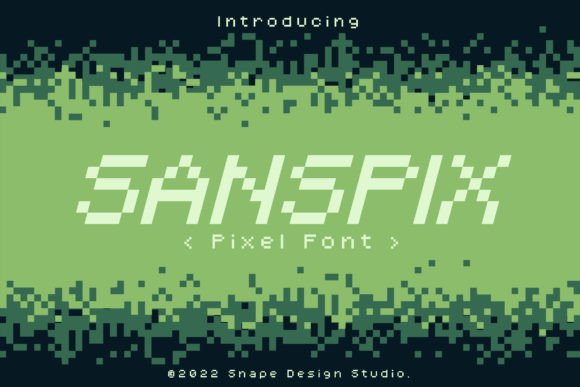
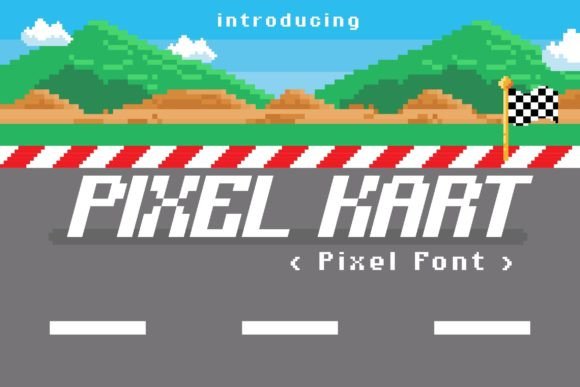
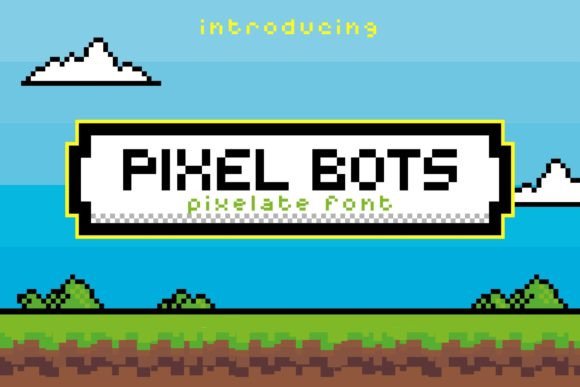
The Pixel Stick font has a distinct personality—clean, geometric, and highly legible even at smaller sizes. Its pixel-based structure gives it a retro aesthetic that’s reminiscent of early video game graphics. This makes it ideal for websites or digital assets that want to convey a sense of fun, innovation, or a throwback to the 8-bit era.
Its uniform stroke widths and clear letterforms ensure that it doesn’t become visually overwhelming, which is crucial for maintaining readability on screens of varying sizes. The font's simplicity allows it to be used effectively in headers, buttons, and other UI elements without sacrificing clarity.
Applications in Web Design and Digital Projects
Pixel Stick can be used across a wide range of digital applications. For example, it’s perfect for website headers, especially those with a retro or gaming theme. On a landing page for a new indie game, Pixel Stick could serve as the headline typeface, instantly setting the tone and drawing attention.
On an online store selling vintage-style merchandise, Pixel Stick might be used for product titles or promotional banners. It adds character and helps reinforce the brand’s visual identity. Similarly, in a portfolio site showcasing digital art or graphic design work, Pixel Stick can be used as a decorative accent or for section headings.
In call-to-action areas, such as buttons or links, Pixel Stick’s boldness ensures that important actions stand out. However, due to its stylized nature, it’s best suited for short phrases rather than long blocks of text.
Readability and Responsive Design Considerations
While Pixel Stick is visually striking, it’s important to consider how it performs in different contexts. On mobile screens, it remains legible but may require larger font sizes to maintain clarity. When using it on dark backgrounds, subtle adjustments in contrast or color can enhance readability.
For responsive layouts, testing how Pixel Stick behaves at various screen sizes is essential. Pairing it with a more readable sans-serif font for body copy can help maintain a balance between style and usability. This approach ensures that the visual hierarchy remains intact while preserving the overall brand tone.
Font Pairing and Brand Identity
When working with Pixel Stick, thoughtful font pairing can elevate the overall design. For instance, combining it with a clean sans-serif font like Helvetica or Arial for body text creates a nice contrast between decorative and functional typography. This combination supports both visual interest and readability.
If the brand has a more editorial or professional tone, pairing Pixel Stick with a serif font like Georgia or Times New Roman can add a touch of sophistication. The key is to ensure that the pairings align with the brand’s voice and purpose.
Practical Use Cases and Examples
For a creative portfolio site, Pixel Stick could be used for section headings or project titles. It adds a unique flair that reflects the designer’s personal style. In a boutique online store, it might appear in promotional banners or category headers, reinforcing the brand’s retro aesthetic.
A coaching website aiming for a youthful, energetic vibe could use Pixel Stick in headlines or feature sections. Likewise, a course sales page might leverage it for title sections, helping to capture attention quickly.
For digital ads or social media graphics, Pixel Stick can be used to create eye-catching headlines that stand out against busy backgrounds. It’s also useful in branding kits for logos or icons that need a retro twist.
Licensing and Commercial Use
Before using Pixel Stick in commercial projects, it’s important to review the licensing terms. If you’re designing for a client, creating a website, or developing digital templates, ensuring that the font license covers these uses is critical. Many premium fonts offer flexible licensing options for web and print, so checking the details before purchase is always recommended.
Additionally, confirming whether the font includes multiple styles, weights, and multilingual support can help determine if it meets your specific design needs. Some fonts come with extended character sets, making them suitable for global audiences.
Overall, Pixel Stick is a versatile display font that can bring a unique visual identity to any digital project. Whether you're designing a retro-themed landing page or adding a playful element to a brand kit, it offers a stylish yet functional option that aligns with modern design principles.