Jelly Blind Font for Editorial Design
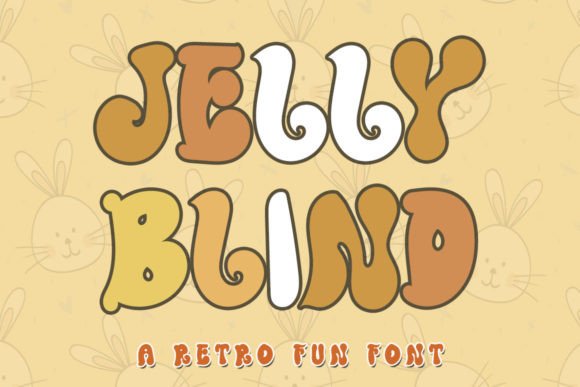
Jelly Blind is a retro display font that brings a touch of whimsy and charm to any editorial project. Its clean lines and playful curves make it ideal for creating visual interest without overwhelming the reader. Whether you're designing a magazine cover, blog header, or ebook title, Jelly Blind adds personality while maintaining readability.
Visual Characteristics and Style
Jelly Blind has a distinct visual appeal with its soft, rounded edges and subtle serifs. The font exudes a sense of nostalgia while feeling fresh and modern. This balance makes it suitable for a wide range of editorial uses, from lifestyle blogs to wedding guides. Its quirky yet approachable style can help set the tone for your content and engage readers right from the start.
The font's character set includes a variety of glyphs that support both English and other languages, making it versatile for international projects. It also offers different weights and alternates that allow for creative expression in typography.
Using Jelly Blind in Editorial Projects
When it comes to using Jelly Blind in editorial design, consider how it fits into your overall visual hierarchy. As a display font, it works best for headlines, chapter openers, and section titles. For example, in a recipe ebook, Jelly Blind could be used for the main dish names, drawing attention to each new recipe while keeping the body text in a more readable serif or sans serif font.
In a digital magazine, Jelly Blind can be used for article headers and pull quotes, adding a touch of visual flair that complements the content. For a coaching workbook, it might be perfect for chapter titles or motivational quotes, reinforcing the positive tone of the material.
Practical Applications
- Blog Headers: Use Jelly Blind for your blog's main heading to create an inviting and memorable first impression.
- Magazine Covers: Pair Jelly Blind with a complementary sans serif font for a balanced and professional look.
- Ebook Titles: Apply Jelly Blind to the title page and chapter headings to give your ebook a unique and engaging identity.
- Newsletter Graphics: Incorporate Jelly Blind in your newsletter headers or promotional banners to add visual interest and brand consistency.
- Quote Layouts: Highlight key quotes with Jelly Blind to draw attention and emphasize important messages.
For printable guides or worksheets, Jelly Blind can be used sparingly to avoid clutter. It's best suited for short, impactful text rather than long paragraphs. When designing lead magnets or promotional materials, Jelly Blind can help reinforce your brand identity with a consistent and recognizable typeface.
Readability and Practical Considerations
While Jelly Blind is a display font, it's important to ensure it remains legible across different platforms. On screen, it performs well at larger sizes, making it suitable for web headers and digital publications. When exporting to PDF or print, check that the font renders clearly at various resolutions and sizes.
Consider the device and platform your audience will use to view your content. Mobile layouts may require additional spacing or adjustments to maintain readability. For print projects, ensure that the font's details remain crisp and clear when printed at high resolution.
Font Pairing Suggestions
To enhance the visual appeal of your editorial designs, pair Jelly Blind with a complementary font. A classic serif font like Garamond or Times New Roman can provide a solid foundation for body text, while a clean sans serif font like Helvetica or Arial can be used for captions and navigation elements.
Experiment with different combinations to find what works best for your specific project. The goal is to create a harmonious balance between the display font and the supporting typefaces, ensuring that your content remains easy to read and visually appealing.
Commercial Licensing and Usage
If you're using Jelly Blind for commercial projects such as ebooks, templates, printables, or client publications, it's essential to have the appropriate licensing. Many premium fonts require a commercial license for use in paid products or digital downloads.
Always review the font's licensing agreement to ensure compliance. This not only protects your work but also supports the creators behind the font. By using Jelly Blind responsibly, you contribute to a thriving design community that values quality and creativity.
Whether you're working on a lifestyle blog, recipe ebook, or digital magazine, Jelly Blind can elevate your editorial design with its unique charm and versatility. With thoughtful application and pairing, it can become a valuable asset in your design toolkit, helping you create content that stands out and resonates with your audience.